Abstract deadline: July 15, 2026
Abstract submissions are limited to students and early-career researchers
AND SUSTAINABLE WATER FUTURES.

WELCOME
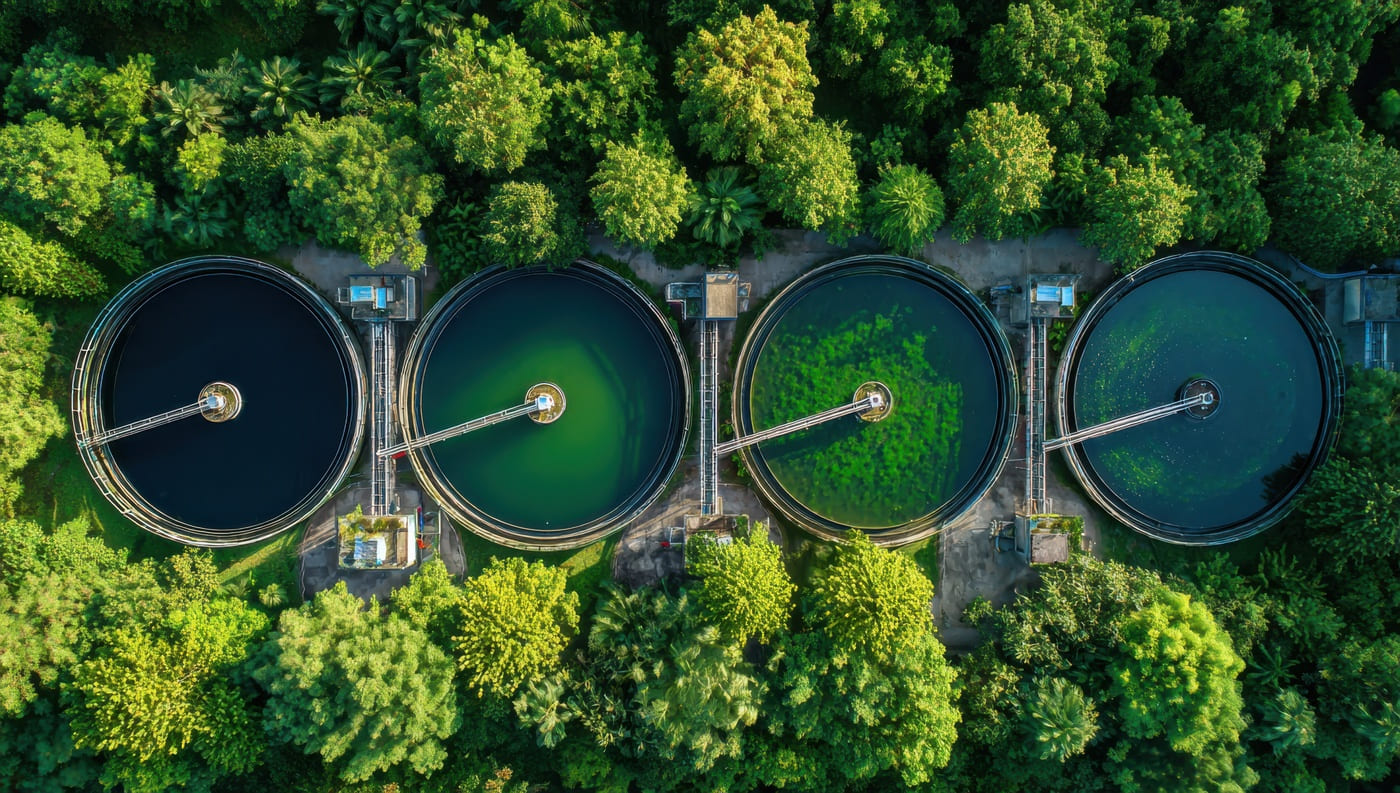
The Water Innovation through Science and Technology Workshop (NextGen Water) brings together leading experts from academia, industry, consulting, government, and postgraduate students to tackle critical global water challenges through advanced science and technology.
Hosted by Tecnológico de Monterrey, this three-day event will feature high-impact presentations, technical talks, panel discussions, poster sessions, and networking opportunities.
The Workshop aims to foster a collaborative platform that bridges academia, military organizations, industry, and government sectors to tackle urgent water challenges through innovative solutions.
NextGen Water Organizing Committee:
Jürgen Mahlknecht (Tecnológico de Monterrey)
Rosanna Bonasia (Tecnológico de Monterrey)
Danael Aceves (Tecnológico de Monterrey)
Eric Brack (DEVCOM Soldier Center)
Benjamin Thomas (DEVCOM Ground Vehicle Systems Center)
Liz King-Doonan (DEVCOM Army Research Lab)
LTC Edgar Lopez (DEVCOM Americas)
CALL FOR ABSTRACTS
The Workshop on Water Innovation through Science and Technology will explore critical areas of water resource management through a series of talks, demonstrations, student flash talks, guided by the following topics:
 Integrated Water Management Practices
This topic will examine integrated approaches to water management that incorporate circular economy principles across industrial and construction sectors. Sessions will cover adaptive models for managing waste, including construction and demolition materials, and strategies for aquifer recharge and water reuse to support long-term water security and conservation.
 Energy Positive Wastewater Treatment
Traditional wastewater treatment plants (WWTPs) are significant energy consumers, accounting for up to 4% of global electricity demand. However, recent advancements in technology and design have enabled the development of energy-positive wastewater treatment systems. These innovative systems not only minimize energy consumption but also generate surplus energy, transforming WWTPs into net energy producers. This topic is especially relevant to decentralized wastewater treatment, where grid power may not always be available.
 Novel Low Energy Desalination
The increasing global demand for freshwater and the depletion of traditional sources have made desalination a vital component of modern water management. However, traditional desalination technologies, such as reverse osmosis (RO) and multi-stage flash distillation (MSF), are energy-intensive, accounting for up to 15% of global electricity consumption. Desalination is a critical solution for providing freshwater in water-scarce regions, but its high energy requirements have significant environmental and economic implications. The development of low-energy desalination technologies is essential for decreasing energy costs.
 Innovative Water Purification Technologies
Participants will explore advanced solutions for removing a wide range of contaminants from water bodies, addressing both traditional and emerging pollutants such as PFAS, microplastics, pharmaceuticals, and personal care products (PPCPs). Presentations will include advancements in biological and chemical filtration, low-cost materials for heavy metal extraction, and energy resilient purification methods, alongside the role of nanotechnology and enzymatic systems in enhancing treatment processes.
 Smart Water Systems
This section will focus on the use of digital tools / real time water sensors to improve water quality monitoring, data collection, and predictive modeling. Emphasis will be placed on digital twin and GIS technology applications for water quality assessments and flood risk management, including multidimensional monitoring techniques that offer insights into pollutant behavior and optimize resource allocation for water safety.
ACCEPTED FLASH TALKS AND POSTERS
Keynote Speakers

Bridget R. Scanlon
United States
Jackson School of Geosciences de la University of Texas at Austin
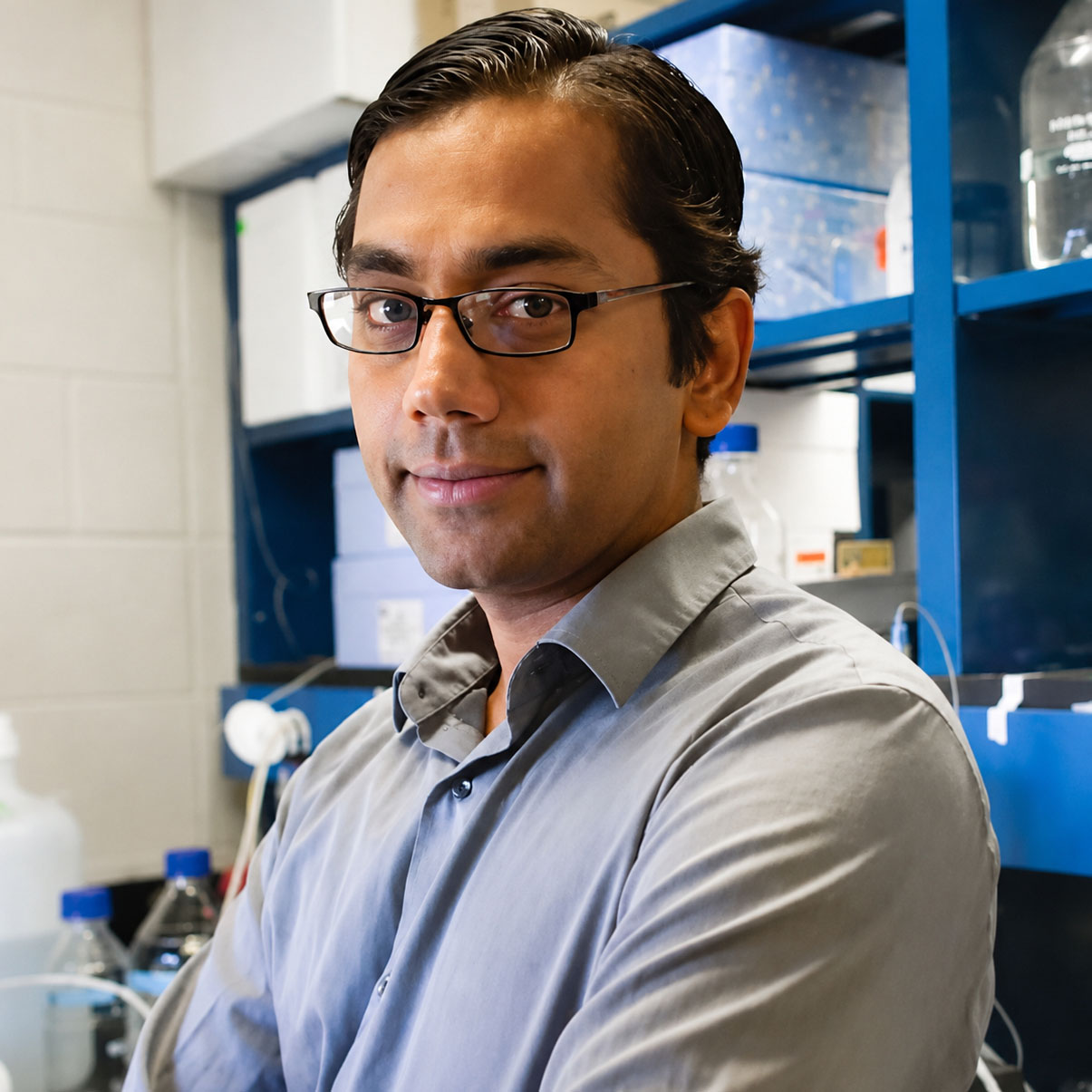
Kartik Chandran
Columbia University, Tec de Monterrey
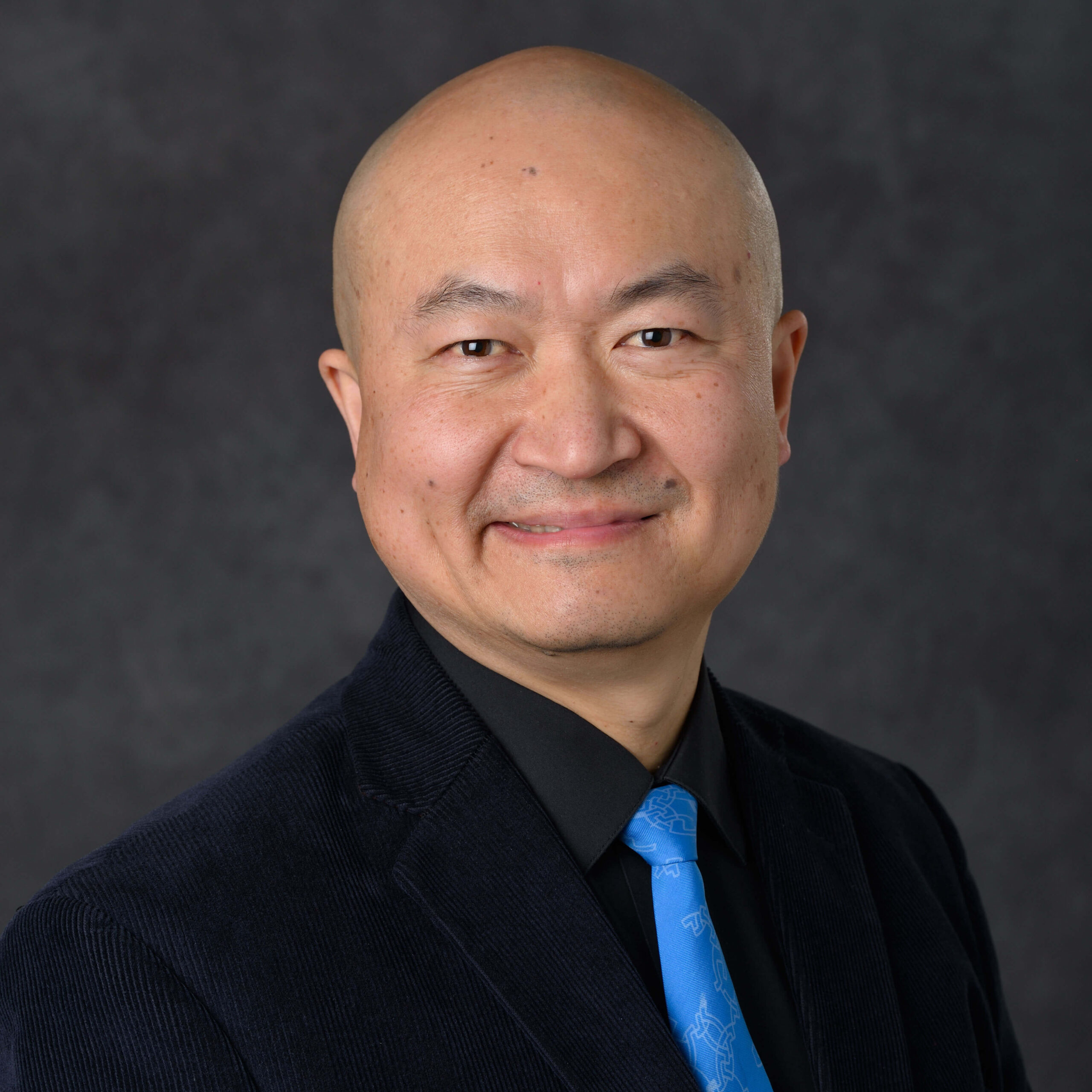
Wei Liao
Michigan State University
Anaerobic Digestion Research and Education Center (ADREC)
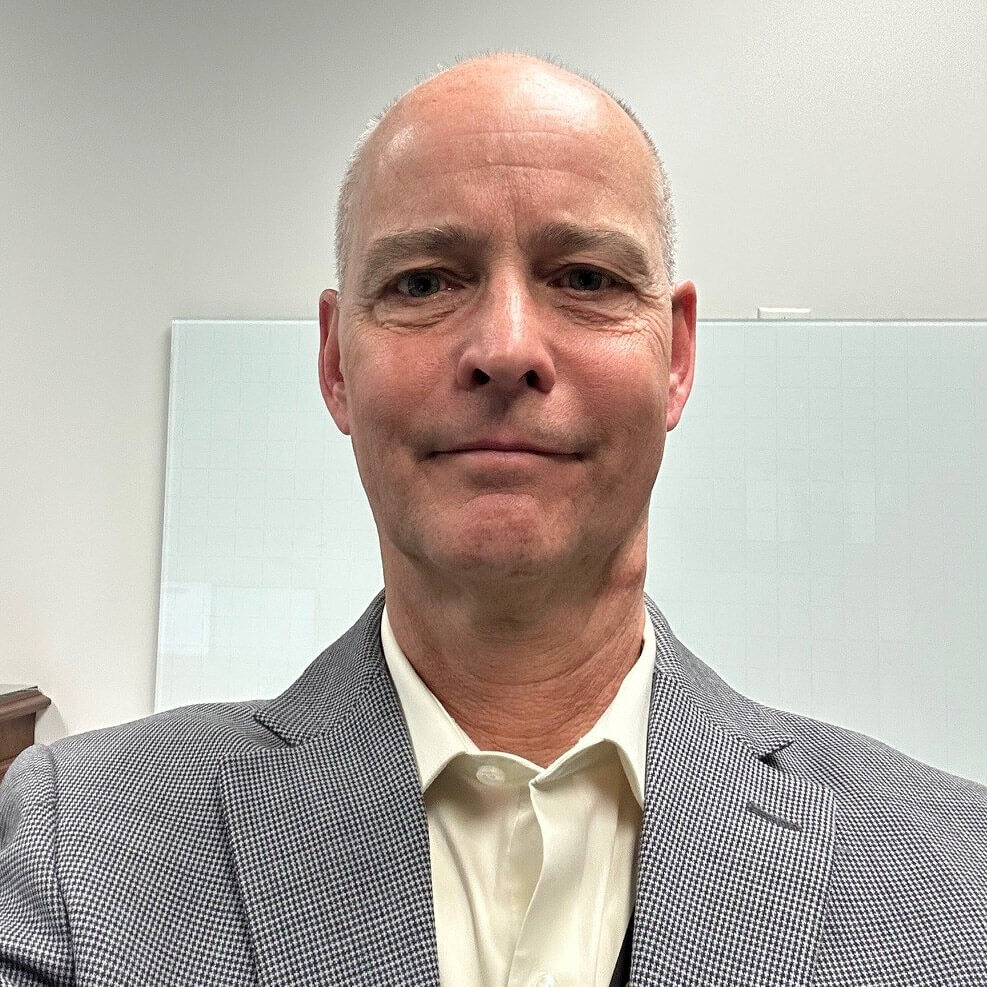
James S. Dusenbury
United States
U.S. Army DEVCOM Ground Vehicle Systems Center (GVSC)
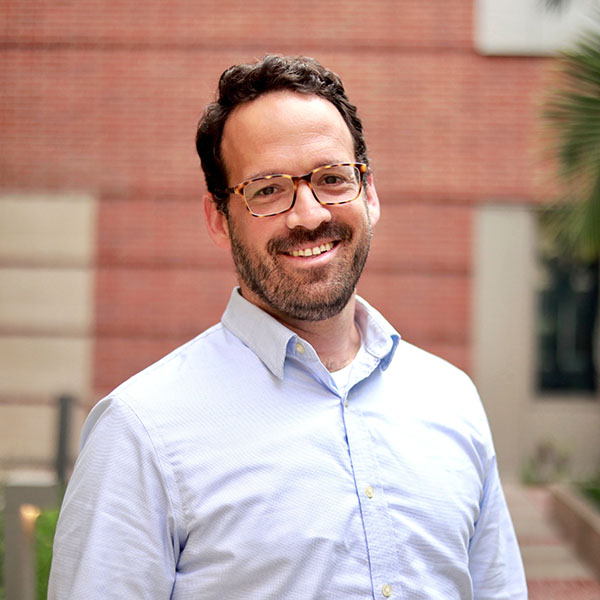
David Jassby
United States
University of California Los Angeles (UCLA)
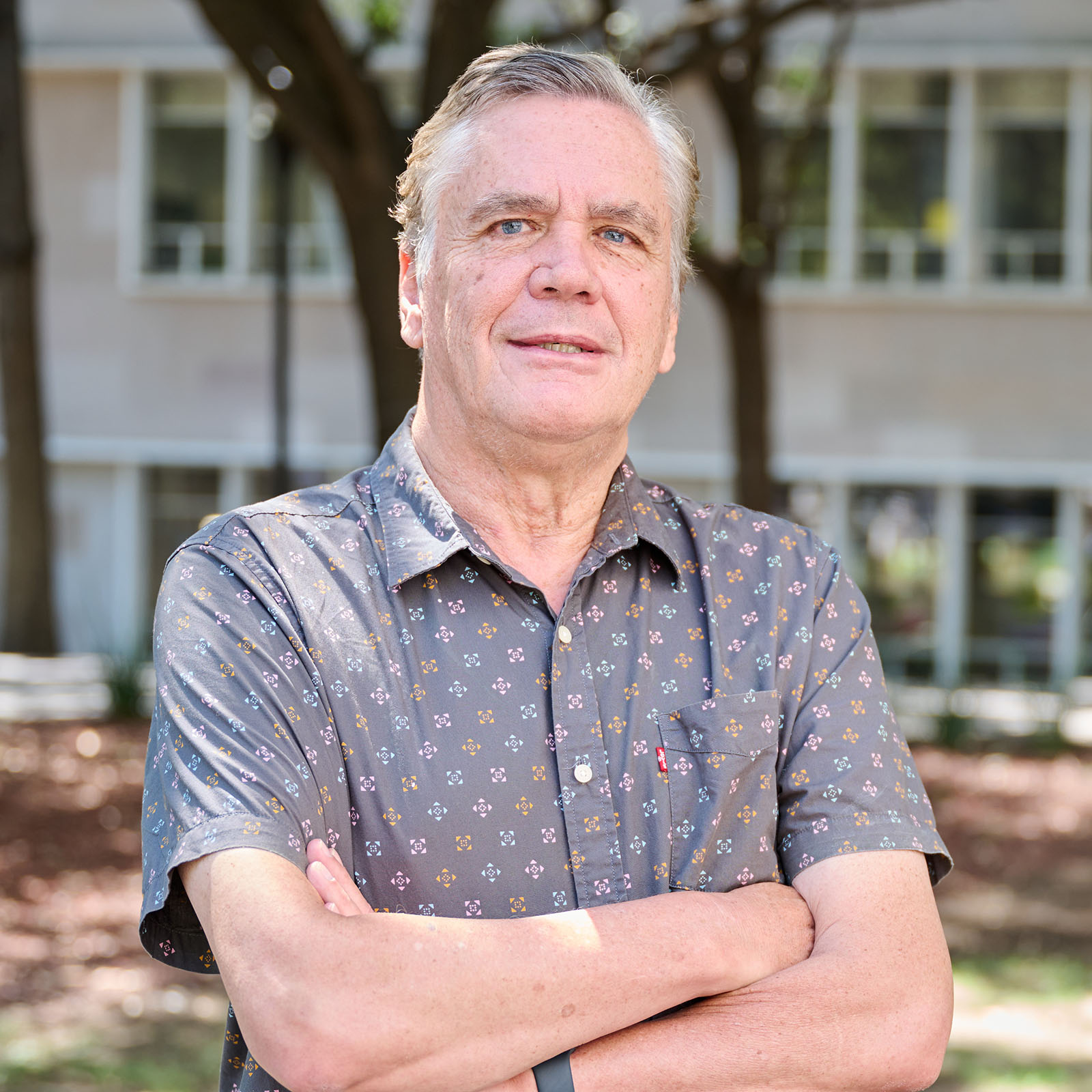
Marc Madou
University of California-Tec de Monterrey
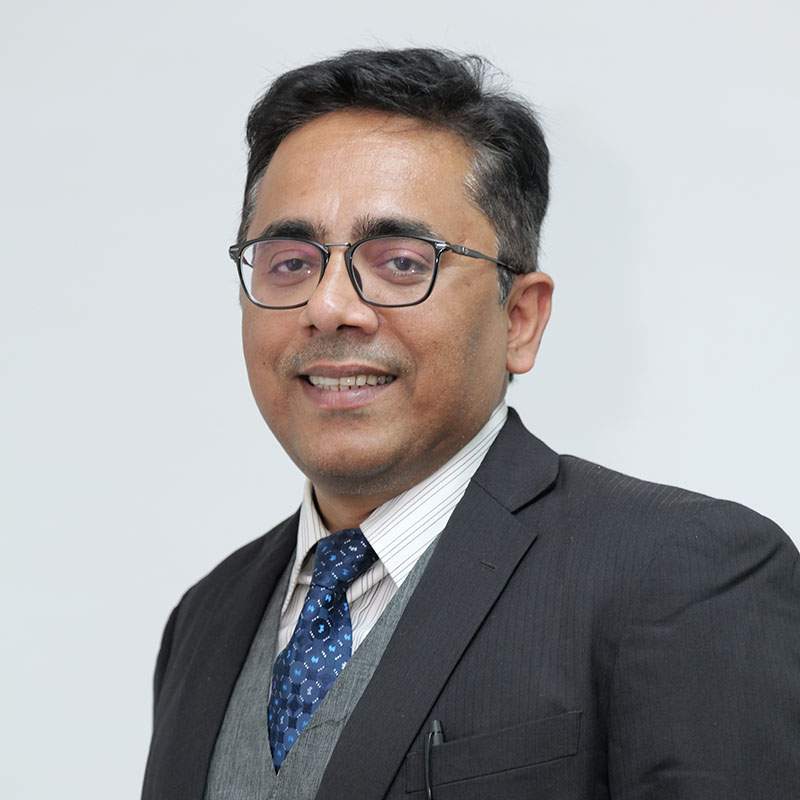
Manish Kumar
Tecnológico de Monterrey
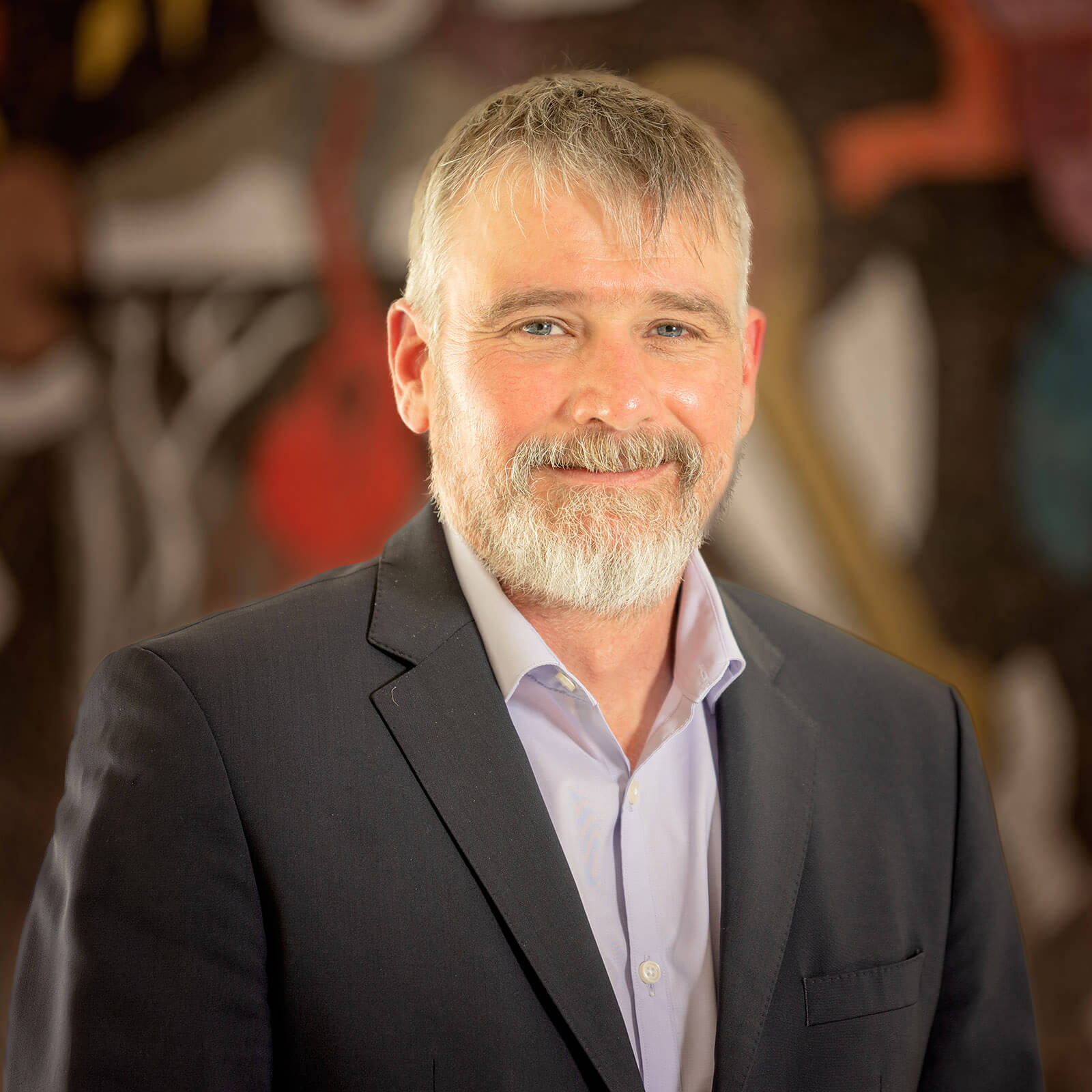
Frank Loge
University of California, Davis
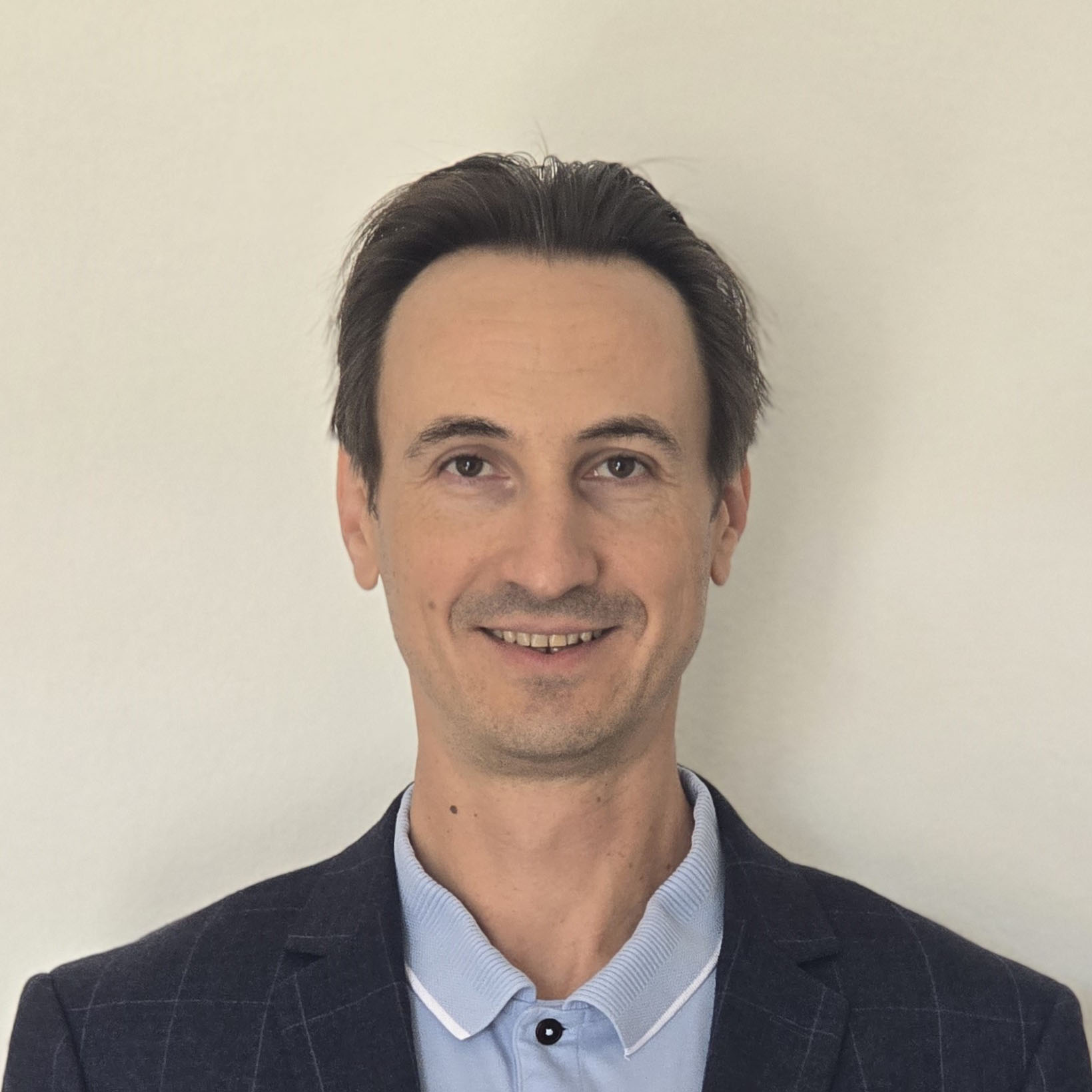
Maxim Matalim
University of California, Los Angeles (UCLA)
Program
| Hour | Session |
|---|---|
| 8:30 – 9:00 | Opening Session & Welcome Remarks Organizing Committee (Tec de Monterrey, US Army, partners) |
| 9:00 – 10:00 | Introduction to Keynote Lecture 1 – Government Lead: Dr Martin Page Keynote 1 – Monitoring Global Water Resources from Space and Assessing Potential Solutions Bridget Scanlon (University of Texas at Austin) |
| 10:00 – 11:30 | Technical Session 1 – Integrated Water Management Practices: Karina Coronado, Tec de Monterrey – Data-Driven Circular Water Systems: Integrating AI for Waste and Resource Management Elvia Sánchez, Tec de Monterrey – Engineered Biopolymers for Water Treatment: Grafting and Nanoparticle Integration Approaches Jorge Donato García García, Tec de Monterrey – Contribution of Protein Engineering and Synthetic Biology to Integrated Water and Waste Management Goals Luisa Ikner, Arizona Univeristy – Improving Viral Safety in Water Reuse Systems Through Advanced Pathogen Detection |
| 11:30 – 12:00 | Coffee Break & Networking |
| 12:00 – 13:00 | Student Flash Talks Emerging Research and Innovation Pitches |
| 13:00 – 14:00 | Lunch Break |
| 14:00 – 15:00 | Introduction to Keynote Lecture 2 – Government Lead: Dr. Benjamin Thomas Keynote 2 – Harnessing the Microbial C, N, and P Cycles for Resource-Positive Wastewater Treatment and Reuse Kartik Chandran (Columbia Engineering, Tec de Monterrey) |
| 15:00 – 16:30 | Technical Session 2 – Energy Positive Wastewater Treatment Wei Liao, Michigan State University – System Integration and Multiple-Objective Optimization for an Energy-Positive High-Strength Wastewater Management Solution Carolina Senés, Tec de Monterrey – From Waste to Energy: Microbial Drivers of High-Performance Anaerobic Systems Martín González, Tec de Monterrey – From Waste to Energy: Circular Treatment of Raicilla Vinasses through Anaerobic Digestion Miguel Ángel López, Tec de Monterrey – Rainwater Harvesting and Greywater Reuse as Energy-Positive Alternatives |
| 16:30 – 17:30 | Visit to the Water Center and Water Laboratories at Campus Monterrey |
| 19:00 – 21:00 | All Participants Networking Dinner Ice-breaker and Collaboration Networking |
| Hour | Session |
|---|---|
| 9:00 – 10:00 | Introduction to Keynote Lecture 3 – Government Lead: Dr. James Dusenbury Keynote 3 – Electrochemical Fouling and Scaling Prevention on NF and RO Membranes Enables Low-Energy and Chemical-Free Operation David Jassby (University of California Los Angeles) |
| 10:00 – 11:30 | Technical Session 3 – Low-Energy Desalination Pabel Antonio Cervantes, Tec de Monterrey – Resource Recovery Targeting Water–Energy Efficiency in Desalination Carlos Alberto Huerta-Aguilar, Tec de Monterrey – Engineering the Future of Water: Low-Energy Desalination and Sustainable Processes Integration Enrique López, Tec de Monterrey – Process Intensification: Fundamentals and Potential Use in Water Treatment and Desalination Junghyo (Jung) Yoon, Co-Founder & CTO NONA Technologies – From Microfluidic Platforms to Real-Scale Solutions for Sustainable Water Systems” |
| 11:30 – 12:00 | Coffee Break |
| 12:00 – 13:00 | Poster Session |
| 13:00 – 14:00 | Lunch Break |
| 14:00 – 15:40 | Session 4: Innovative Water Purification Systems for Safe and Sustainable Water Futures Introduction to Keynote Lecture 4 – Government Lead: Dr. Christopher Griggs Keynote 4 – Converting Medical Sensor Systems to Water Sensing Systems Marc J. Madou (University of California-Tec de Monterrey) Keynote 5 – Partnering Sustainability: Harnessing Waste Resources for Next-Generation Water Purification and Pollution Remediation Manish Kumar (Tec de Monterrey) |
| 15:40 – 16:30 | Technical Session 4 – Purification Technologies: Addressing PFAS, microplastics, PPCPs, heavy metals Casey O’Brien, Texas Tech University – Harnessing Plasma–Water and Plasma–Surface Interfaces for Advanced Water Purification Brad Chmelka, University of California Santa Barbara – New Robust Protein-Silica Materials for Purifying Water Joey Kane, Department of National Defence / Goverment of Canada – Ensuring Water Resilience in the Artic: Deployable Purification Systems for Harsh and Remote Enviroments |
| 16:30 – 17:30 | Poster Session |
| Hour | Session |
|---|---|
| 9:00 – 10:00 | Introduction to Keynote Lecture 5 – Government Lead: Mr. Eric Brack Keynote 5 – Transforming Water Infrastructure with Smart Systems Frank Loge (University of California Davis-Tec de Monterrey) |
| 10:00 – 11:50 | Technical Session 5 – Digital tools, real-time sensors, GIS and predictive modeling Maxim Batalin, University of California Los Angeles – “AI-Based Holographic Imaging Flow Cytometry for In-Field Monitoring of Water from Particulate Matter and Microplastics to Harmful Organisms” Héctor Barrios-Piña, Tec de Monterrey – “A Data-Driven, Multi-Variable Approach to Coastal Risk Management” Jeffery Dick, Purdue University – “Electrochemical Sensors for PFAS in the Environment” Sam Rowley Neale, Manchester Metropolitan University – “Non-classical Electrodes for the Electrochemical Determination of Heavy Metals” |
| 11:50 – 12:10 | Coffee Break |
| 12:10 – 13:00 | Panel Discussion Speakers & Organizers Shaping the Future of Water Innovation. |
| 13:00 – 14:00 | Lunch Break |
| 14:00 – 15:00 | Internal Wrap-Up Tec de Monterrey & U.S. Army Organizing Committee Agreements, Strategic Priorities & Action Points |
VENUE
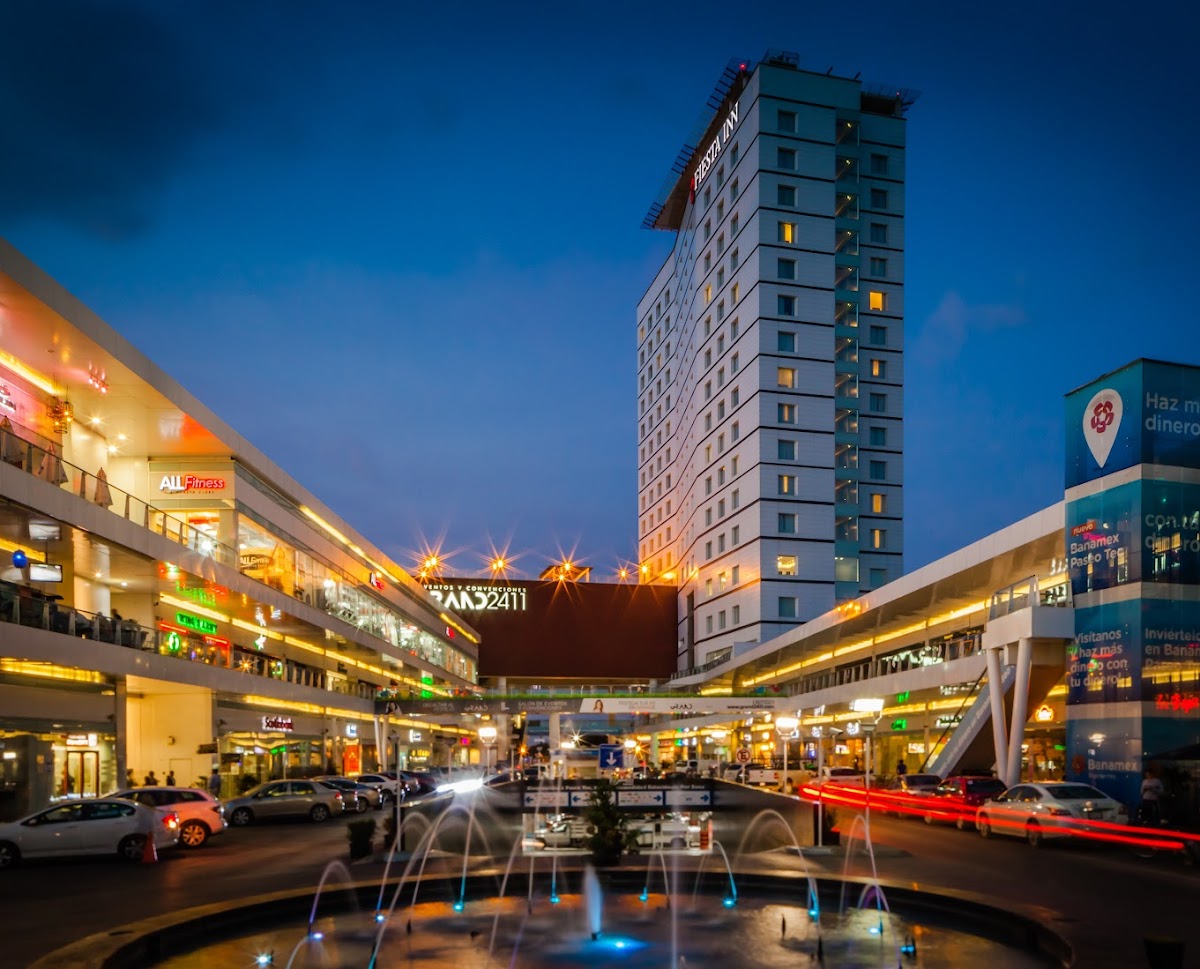
Fiesta Inn Monterrey Tecnológico, Salón GRAND2411
SUPPORTING ORGANIZATIONS


Tecnológico de Monterrey
U.S. Army DEVCOM Soldier Center (DEVCOM-SC)
U.S. Army Research Office (ARO)
U.S. Army AFC Forward Element – Americas (AFE-AME)